The 6th Symposium on Global Maritime Cooperation and Ocean Governance Held in Sanya
2025-12-15 11:09:17 source:NISCSS
From December 10–11, The 6th Symposium on Global Maritime Cooperation and Ocean Governance was successfully held in Sanya, Hainan. The symposium was jointly hosted by Huayang Center for Maritime Cooperation and Ocean Governance (Huayang Center), the National Institute for South China Sea Studies (NISCSS), the China Oceanic Development Foundation (CODF), and the Hainan Institute for Free Trade Port Studies (HIFTPS), with CGTN serving as co-organizer. More than 300 experts and scholars, government officials, diplomatic envoys from foreign embassies and consulates in China, and representatives of international organizations, maritime-related agencies, and media organizations from over 30 countries and regions attended the symposium. More than 20,000 people registered to follow the event online.
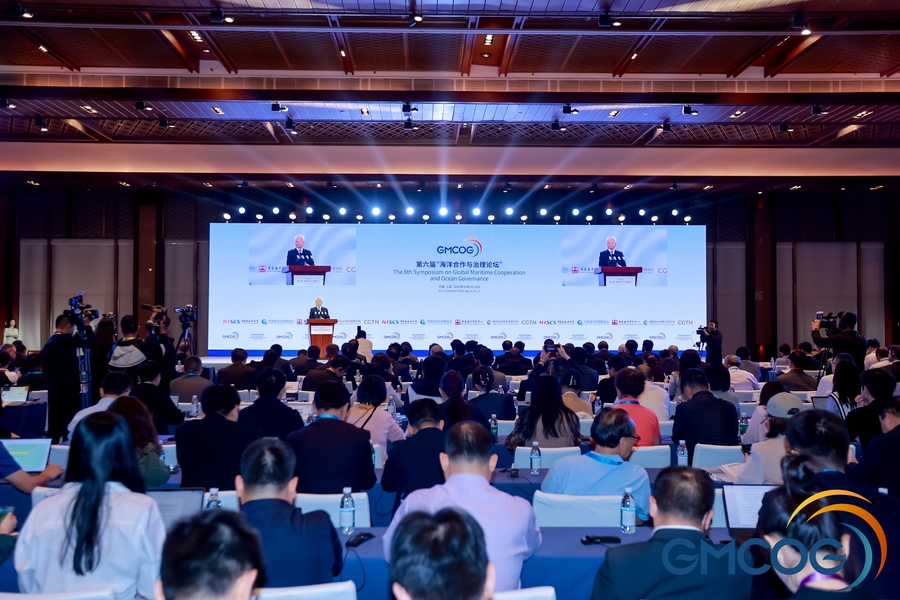
Vice Foreign Minister Sun Weidong; Bateer, Executive Vice Governor of Hainan Province; Vice Minister of Natural Resources and Administrator of the State Oceanic Administration Sun Shuxian; Secretary-General of the International Organization for Mediation Teresa Cheng Yeuk-wah; China’s Special Envoy for Climate Change and former UN Under Secretary-General Liu Zhenmin; Deputy Minister of Fisheries and Ocean Resources of the Maldives, Ahmed Aarim Mohamed; and Lv Bin, President of the China Oceanic Development Foundation, delivered keynote speeches. Wu Shicun, Chairman of Huayang Center and Chairman of the Academic Committee of NISCSS, delivered the opening remarks and closing address. Li Dongyu, Director General of the Hainan Province Oceanic Administration, released the outcomes of practical maritime cooperation projects. Zeng Xiaoming, Party Secretary of NISCSS, delivered closing remarks.
Sun Weidong stated that the Global Governance Initiative proposed by President Xi Jinping in September this year offers China’s approach and wisdom in answering the questions of “what kind of global governance system to build” and “how to reform and improve global governance,” and has injected new momentum into global ocean governance. He then put forward three suggestions for advancing global ocean governance and deepening international maritime cooperation: first, uphold the international rule of law and build a fair and just maritime order—avoid unilateral actions that could expand disputes or complicate the situation; maintain communication through diplomatic channels; properly manage differences to prevent escalation; strengthen risk management and emergency communication to avoid misunderstandings and miscalculation. Second, adhere to a people-centered approach and advance ocean governance through extensive consultation, joint contribution, and shared benefits, so that the fruits of ocean development are shared by all, common challenges facing humanity are addressed together, shared maritime development is promoted, and shared maritime security is upheld. Third, emphasize action and deepen mutually beneficial, win-win maritime cooperation—fully mobilize resources, coordinate interests, seek win-win solutions, strengthen dialogue and exchanges, advance practical cooperation, and produce more visible outcomes. China, he added, is willing to work with ASEAN countries to jointly craft a new South China Sea narrative of peace, stability, cooperation, and friendship.
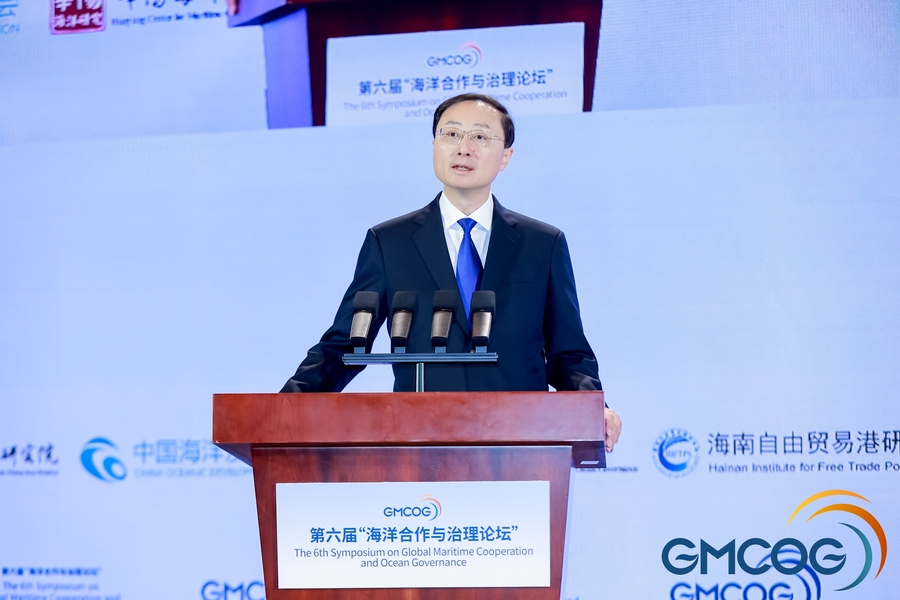
Vice Foreign Minister Sun Weidong delivered a keynote speech.
Bateer noted that on December 17 last year, when hearing a work report from the Hainan Provincial Party Committee and the provincial government, General Secretary Xi Jinping stressed the need to uphold integrated land–sea planning, promote coordinated development between mountains and sea, and enhance resource integration; to do a good job in marine development; to seek productivity from the ocean and identify new growth drivers; and to build Hainan into a strong maritime province. On November 6 this year, Xi visited Hainan again and, while listening to a briefing on the development of the Hainan Free Trade Port, once again emphasized the need to “uphold integrated land–sea planning.”
Bateer said that, with the strategic goal of upholding integrated land–sea planning, building maritime strength, and “creating another ‘Maritime Hainan,’” Hainan is working to develop a source of deep-sea science and technology innovation, a cluster for modern marine industries, and a highland for international maritime cooperation, while firmly upholding the bottom line of marine ecological and environmental protection. Drawing on Hainan’s resource endowments and development practice, he proposed jointly building an open and inclusive “Blue Partnership,” co-creating a joint innovation platform for marine science and technology, jointly strengthening a cooperative safeguard for marine ecological protection, and sharing facilitation in maritime trade corridors.
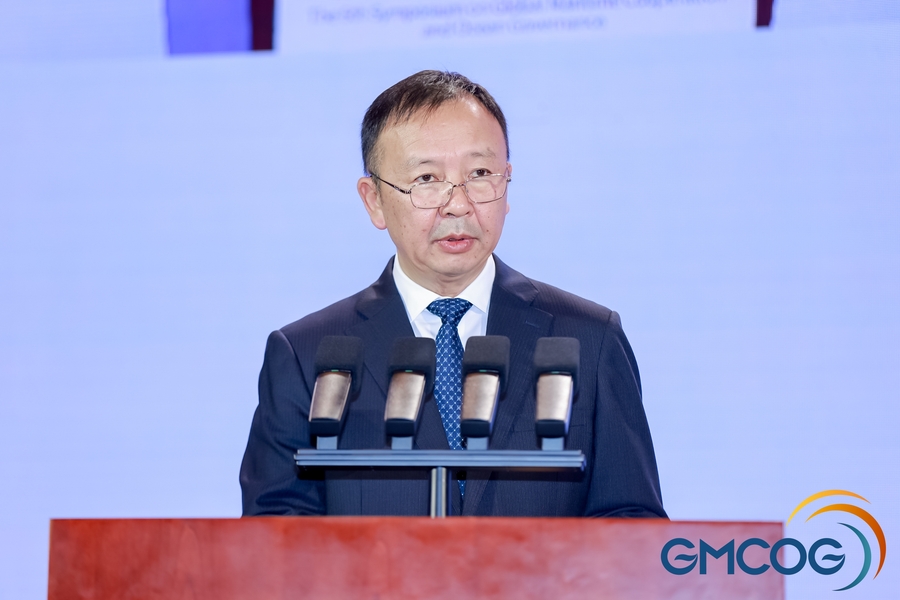
Bateer, Executive Vice Governor of Hainan Province, delivered a keynote speech.
Sun Shuxian said that President Xi Jinping has profoundly emphasized that the ocean is a strategic frontier for high-quality development, and that advancing Chinese modernization requires promoting the high-quality development of the marine economy and forging a uniquely Chinese path toward maritime strength. China, he noted, attaches great importance to marine development, promotes high-quality development of the marine economy, is driven by innovation in marine science and technology, optimizes the spatial layout of marine areas and strengthens planning and regulatory oversight, and practices the principle that “lucid waters and lush mountains are invaluable assets,” with the public’s sense of gain and well-being significantly enhanced.
Upholding the vision of a community with a shared future for mankind, China, he added, develops cooperation with countries around the world, takes head-of-state diplomacy as strategic guidance, and—focusing on high-quality Belt and Road cooperation—advances practical maritime cooperation. Sun proposed: strengthening mutual trust and cooperation to build a closer Blue Partnership; working together to address challenges and more forcefully safeguard a beautiful and healthy ocean; and jointly building cooperation platforms to more efficiently harness science and technology innovation as an enabler.
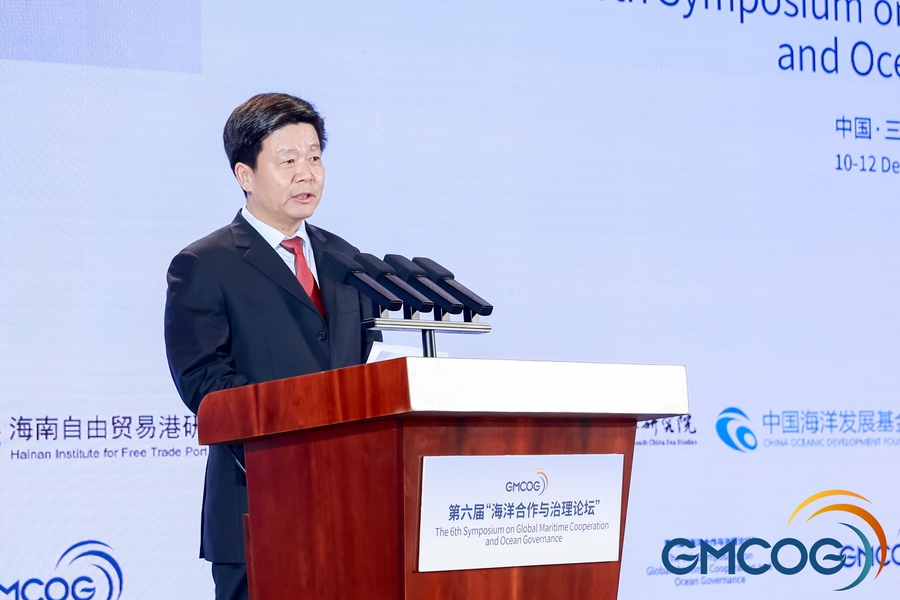
Sun Shuxian, Vice Minister of Natural Resources and Administrator of the State Oceanic Administration, delivered a keynote speech.
Teresa Cheng Yeuk-wah said that the International Organization for Mediation offers mediation as a viable alternative to litigation and arbitration, providing a new pathway of peace and cooperation for addressing maritime differences and building a “Blue Partnership.” She noted that the Organization can resolve, efficiently and at low cost, three categories of disputes—including state-to-state disputes, investor–state disputes, and international commercial disputes—and is committed to building a mediation ecosystem to strengthen cooperation and governance among states.
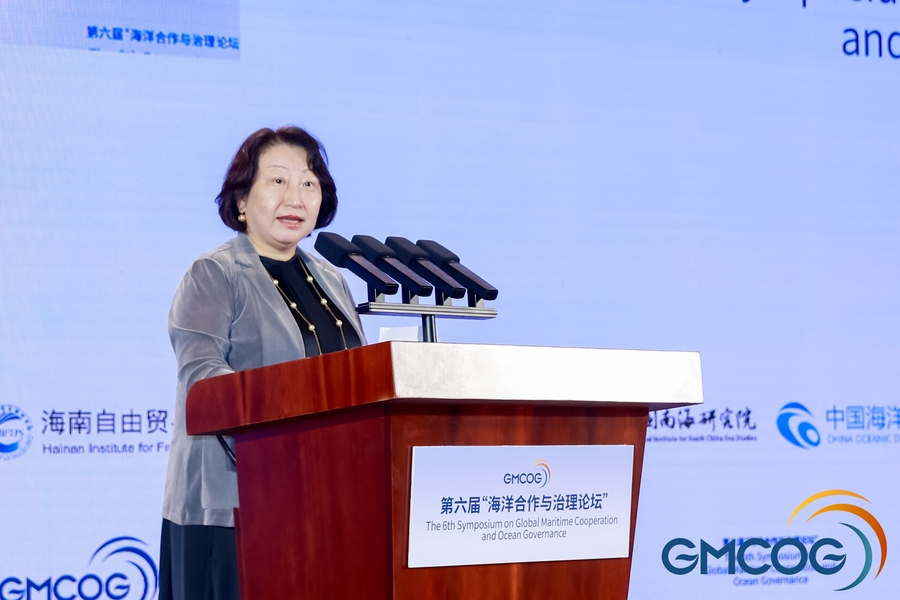
Teresa Cheng Yeuk-wah, Secretary-General of the International Organization for Mediation, delivered a keynote speech.
In a speech titled “Upholding the Concept of Sustainable Development and Continuing to Improve Global Ocean Governance,” Liu Zhenmin noted that the 1982 United Nations Convention on the Law of the Sea (UNCLOS) established the contemporary international maritime order. This order has played an important role in safeguarding global peace and stability, he said, but it has also contributed to problems such as the protraction of maritime disputes among some coastal states and “blue enclosure” trends that have fueled the overexploitation of marine resources.
Liu recommended placing greater emphasis on: properly balancing the maintenance of security and stability in coastal waters with the protection of coastal marine ecosystems; better recognizing the ocean’s comprehensive value to China; strengthening research and responses to the взаимual impacts between global marine ecosystems and global climate change; and continuously improving China’s marine governance and management system.
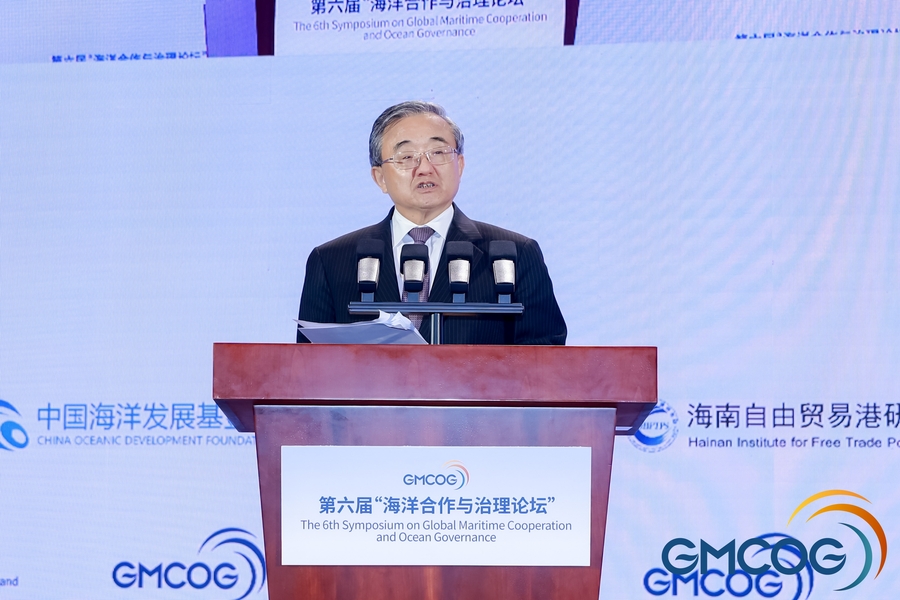
Liu Zhenmin, China’s Special Envoy for Climate Change and former United Nations Under Secretary-General, delivered a keynote speech.
Ahmed Aarim Mohamed said that ocean governance is a matter of national survival for the Maldives. Climate change and ocean degradation, he noted, are steadily eroding coastlines, damaging coral reefs, and undermining ecosystems, while sea-level rise and global warming are affecting fisheries and the security of communities. He expressed sincere appreciation for the leadership shown by the Chinese government in advancing international maritime cooperation, sustainable development, and marine conservation, and called on the international community to provide urgent assistance, as well as financial and technical support, to address the climate crisis and strengthen ocean governance capacity.
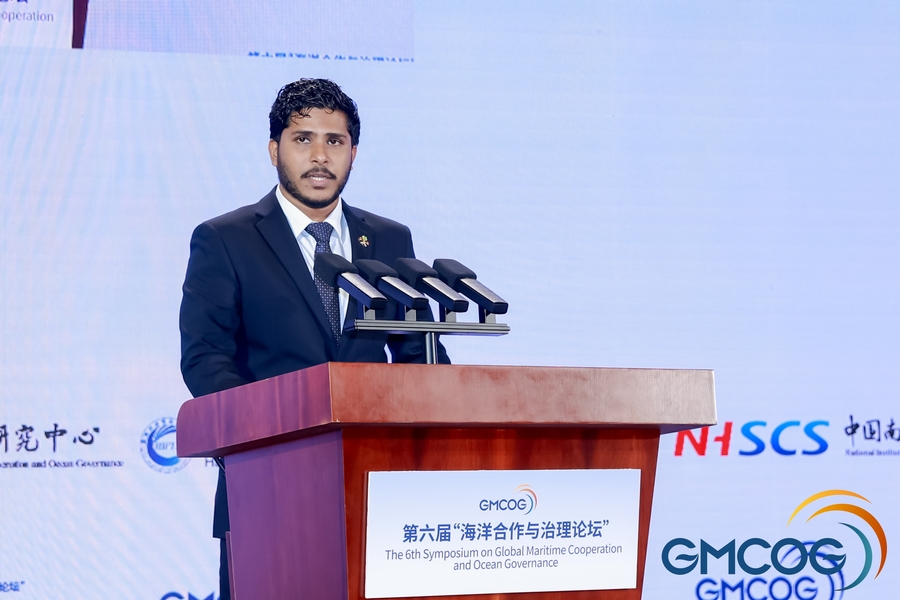
Ahmed Aarim Mohamed, Deputy Minister of Fisheries and Ocean Resources of the Republic of Maldives, delivered a keynote speech.
In his speech, Lv Bin shared three observations. First, he called for practicing multilateralism and building platforms for multilateral dialogue. The China Oceanic Development Foundation hosts more than a dozen international exchange activities each year, promoting friendly exchanges and dialogue among countries on an equal footing. Second, he emphasized advancing practical cooperation through concrete marine projects. Leveraging initiatives such as the Maritime Silk Road program and coastal zone assessment efforts, the Foundation supports deeper, more substantive blue-economy cooperation among coastal countries participating in the Belt and Road Initiative. Third, he underscored the importance of strengthening the people-to-people foundation and enhancing ocean awareness across society. The Foundation attaches great importance to public participation and youth development; through nationwide public-interest beach cleanups and marine “seedling” programs, it has raised ocean literacy in coastal areas while also bringing ocean-awareness education to inland regions. Lv said the Foundation stands ready to work with all partners to further deepen practical cooperation, protect blue seas and clear skies, and pursue a sustainable future together.
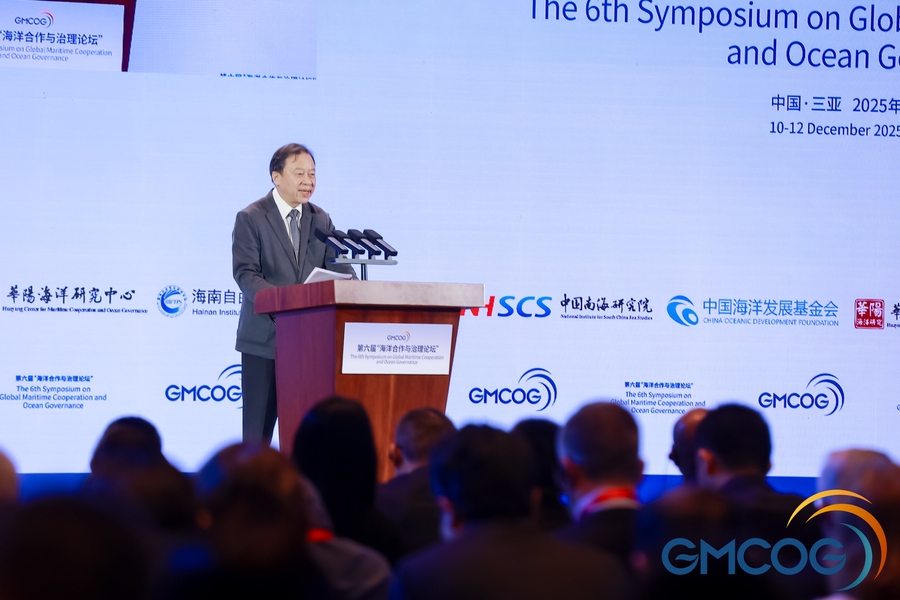
Lv Bin, President of the China Oceanic Development Foundation, delivered a keynote speech.
In his opening remarks, Wu Shicun said that as human economic activities expand rapidly and on a large scale into the maritime domain, challenges such as sea-level rise driven by climate change and biodiversity loss—as well as geopolitical competition—are increasingly manifesting at sea in the form of fragmented ocean governance mechanisms, intensified maritime disputes, and bloc-based, group-style confrontation. In the face of these challenges to global ocean governance, he said, the “Symposium on Global Maritime Cooperation and Ocean Governance” that they host must shift from being primarily a forum for talk to one that both talks and delivers results—turning “everyone speaking past each other” into consensus, consensus into action, and action into early harvests and tangible benefits that participants can see and feel.
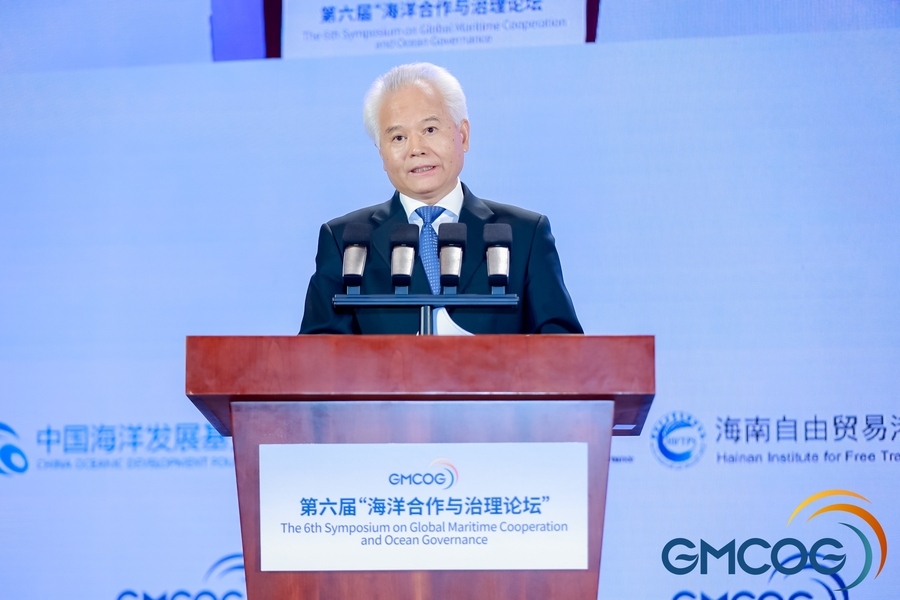
Wu Shicun, Chairman of Huayang Center and Chairman of the Academic Committee of the NISCSS, delivered the opening remarks.
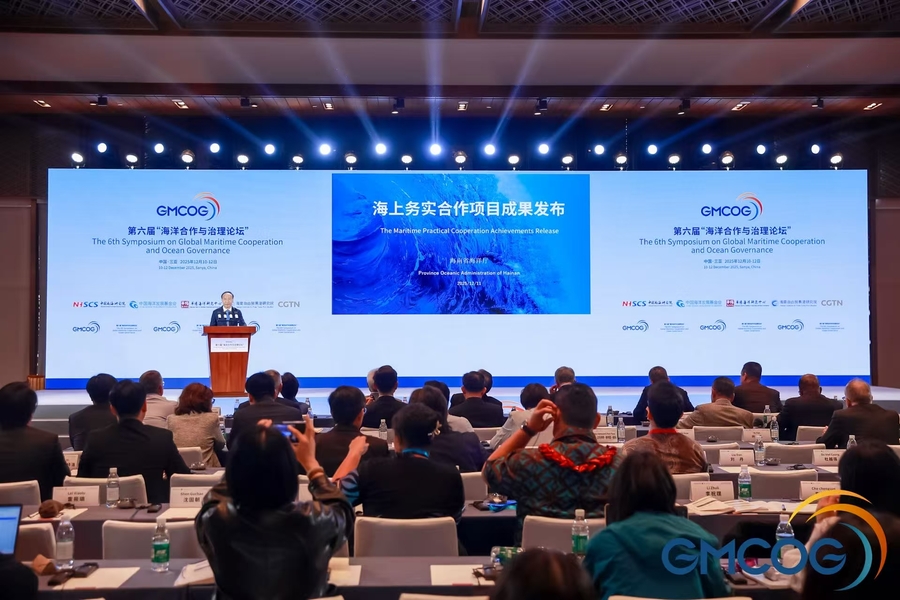
Li Dongyu, Director General of the Hainan Province Oceanic Administration, released the outcomes of practical maritime cooperation projects.
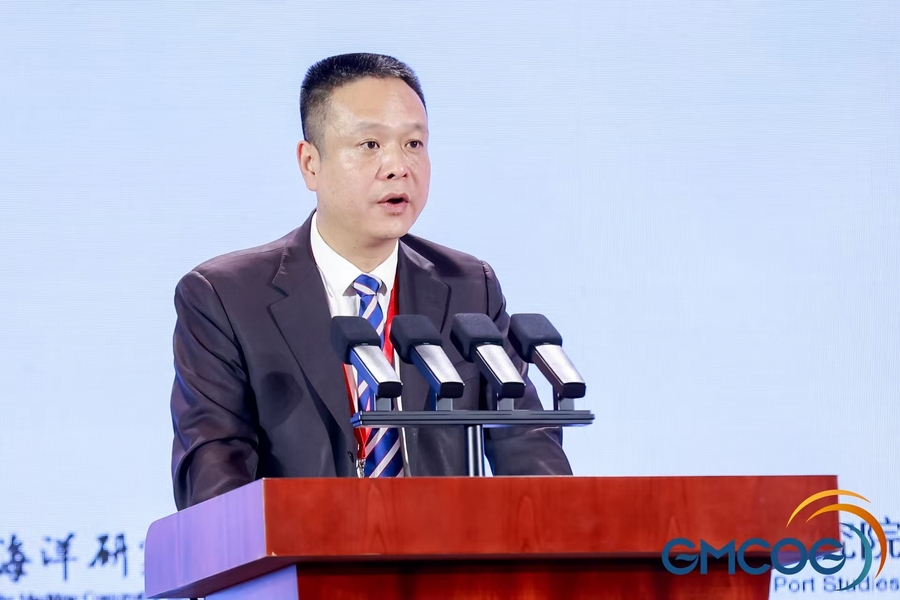
Zeng Xiaoming, Party Secretary of NISCSS, delivered the closing remarks.
Over the two-day symposium, participants held in-depth discussions around themes including: “Building a Stable and Sustainable Global Ocean Governance System,” “Managing Maritime Disputes: Regional Practices and International Experience,” “Striving for Maritime Strength: Blue Partnerships and the Development of Hainan Free Trade Port,” “Sustaining Peace in the South China Sea: Geopolitics and the Construction of Regional Order,” “Climate Change and Marine Ecological Conservation,” “Security of Sea Lanes and Submarine Infrastructure,” and “Global Ocean Governance: Models and Pathways.”
A special session was also convened on “Rebuilding a ‘Maritime Hainan’ in the 15th FiveYear Plan Period— Hainan Free Trade Port in Building a China–ASEAN Blue Economy Big Common Market.”
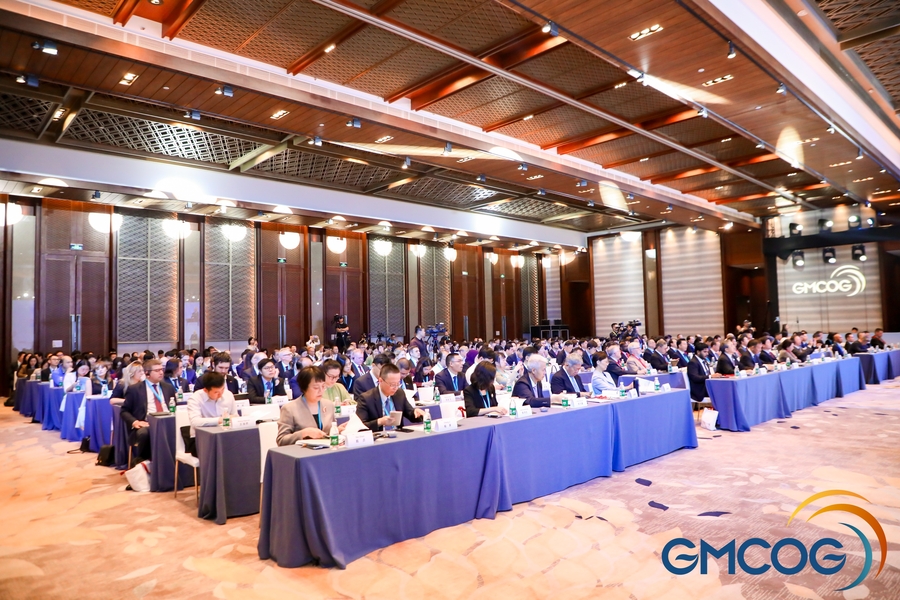
Since its launch in 2020, the Symposium on Global Maritime Cooperation and Ocean Governance has been successfully held for six editions. Guided by the goal of advancing practical maritime cooperation, the symposium focuses on global ocean issues, explores approaches to ocean governance, and promotes international maritime cooperation, fostering an “academic community” that supports both global and regional maritime cooperation. It has become an academic platform with international influence—where Chinese and international experts and scholars exchange views, deepen mutual understanding, learn from one another, and build consensus—and a vehicle for gradually advancing cooperation at sea. The symposium is committed to exploring global governance solutions that are fair, effective, and aligned with historical trends, and to examining pathways for ocean governance grounded in multilateralism and globalism.
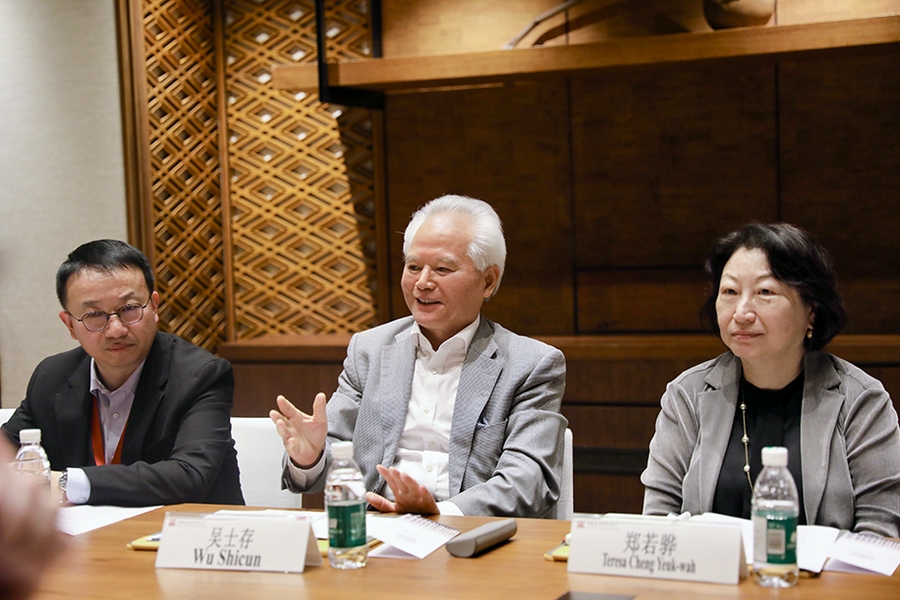
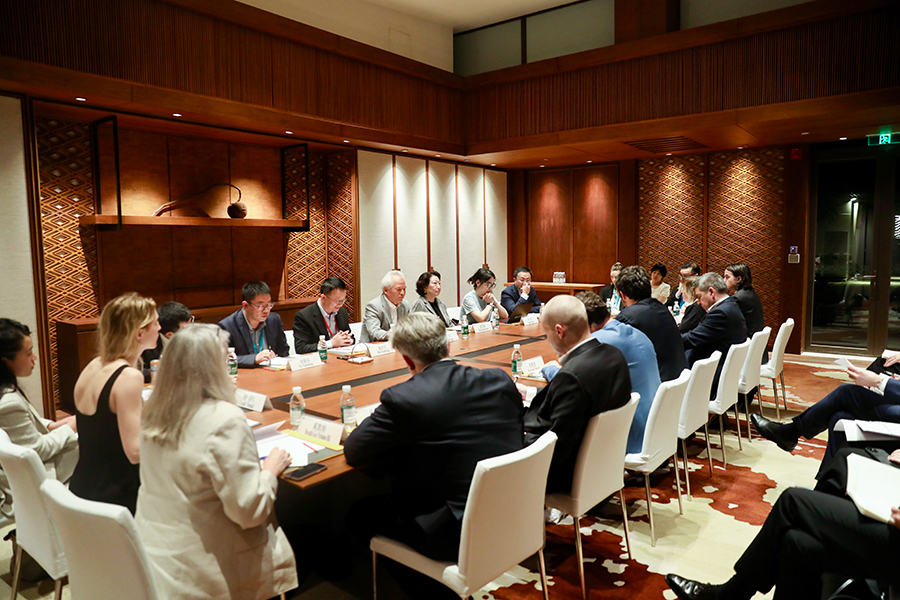
Wu Shicun met with diplomats from multiple foreign embassies in China.
During the symposium, Wu Shicun met with diplomats from several foreign embassies in China and held a roundtable discussion. More than 20 embassy representatives from the United States, the United Kingdom, Australia, New Zealand, Canada, and several EU member states engaged in dialogue with Wu Shicun and others on issues including the mechanism of the International Organization for Mediation, environmental protection practices in parts of the South China Sea, challenges facing dispute settlement mechanisms under the United Nations Convention on the Law of the Sea (UNCLOS), the contest between Western and Eastern narratives on the South China Sea, and the outlook for negotiations on the Code of Conduct in the South China Sea (COC).
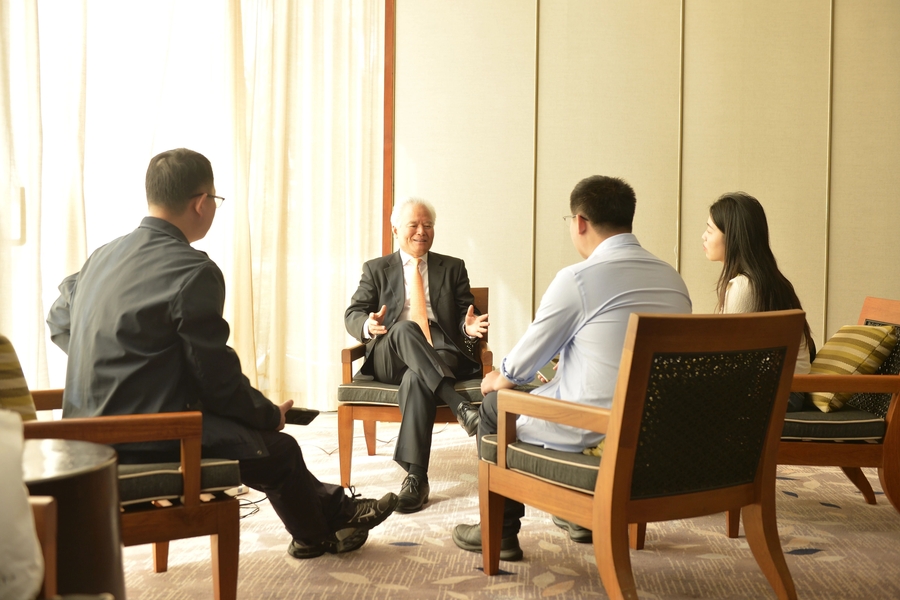
During the Symposium, Wu Shicun gave on-site interviews to multiple media outlets.