PLA Air Force trains with Belarus, Thailand, Egypt in three regions
US set to reduce drills with ROK
ASEAN members should brace for multiple shocks
China-CEEC cooperation opening doors
China launches largest self-propelled pure-electric deep-sea cable-laying vessel
China Coast Guard conducts law enforcement drills near Huangyan Dao
Zelenskyy says talks with Trump include Patriot production in Ukraine
Japanese side claims latest location of China-Russia joint naval patrol vessels
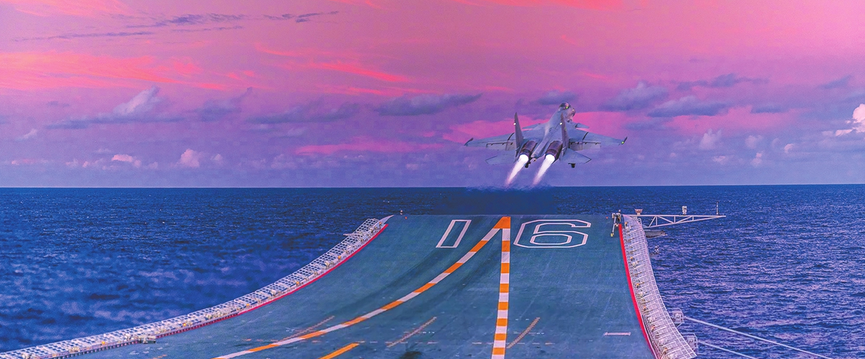
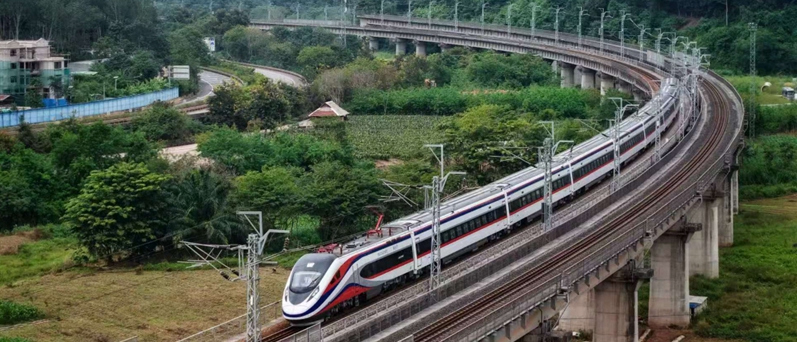
In August, the Chinese People's Liberation Army (PLA) Air Force is actively conducting joint training with three countries - Belarus, Thailand and Egypt - across three distant regions, with some training content and footage already released by official so
Some foreign media have recently renewed hypes over China's construction at Lingyang Jiao in the Xisha Qundao (Xisha Islands), claiming that the completed first phase could become part of China's "largest military base" in the region.
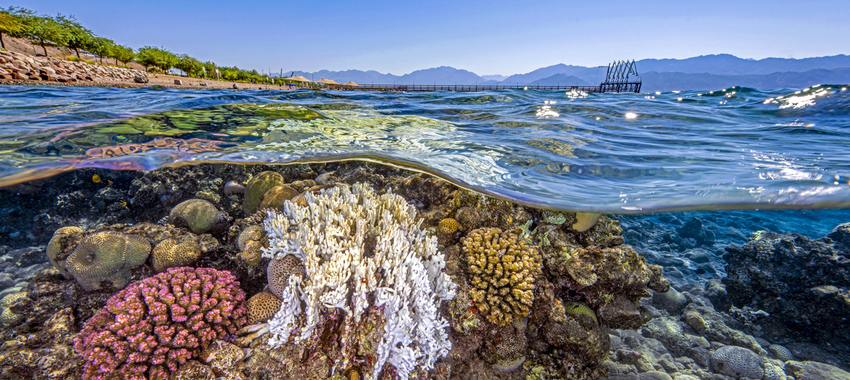
The Chinese Academy of Sciences recently approved the establishment of the Zhongsha Islands marine ecological environment field observation and research station, marking a significant expansion of China's island reef observation network across the South C
VIEW MORE
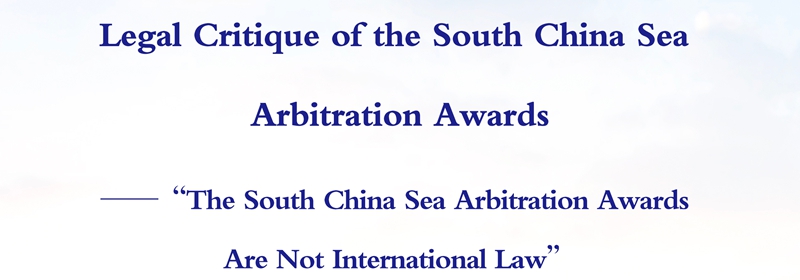
Legal Critique of the South China Sea Arbitration Award——“The South China Sea Arbitration Awards Are Not International Law” Link:https://en.nanhai.org.cn/uploads/file/20260716/Report.pdf
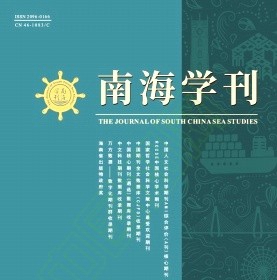
The Dilemma and Reflections on Governing Fishery Conflicts in the South China Sea under the U.S. Stigmatization of China: A Case Study of Vietnam’s Illegal FishingAbstract: In recent years, under the U.S. “Indo-Pacific Strategy,” the South China Sea fisheries issue has been increasingly politicized, securitized, and militarized, and incorporated into great-power competition narratives as a key discursive arena for stigmatizing China. In contrast to such narratives, Vietnam’s fisheries incursions in the South China Sea have remained frequent. Vietnamese fishing vessels have repeatedly conducted illegal operations in the waters of China and neighboring countries, including Indonesia, Malaysia, and Thailand, triggering transnational fisheries disputes and diplomatic frictions. These activities undermine marine ecosystems and fisheries security, threaten coastal livelihoods, erode regional trust, and heighten uncertainty and risk in the South China Sea. Vietnam should strengthen domestic regulation and actively enhance regional cooperation. China and ASEAN countries should also assume a leading role in establishing institutionalized mechanisms for fisheries monitoring, crisis management, and coordinated law enforcement, thereby promoting peace, stability, and the sustainable use of marine resources in the South China Sea.Key words:Vietnam IUU fishing; South China Sea; EU “yellow card”; U.S. Stigmatization; Maritime SecuritySource:王腾飞, 薛亮. 美国污名化中国背景下的南海渔业冲突治理困境与思考 —— 以越南侵渔为例 [J]. 南海学刊,2026 (1):69-82.Wang Tengfei is the Assistant Research Fellow of the Research Center of Oceans Law and Policy, National Institute for South China Sea Studies.Link:https://www.nanhai.org.cn/paper_c/898.html
Read more…
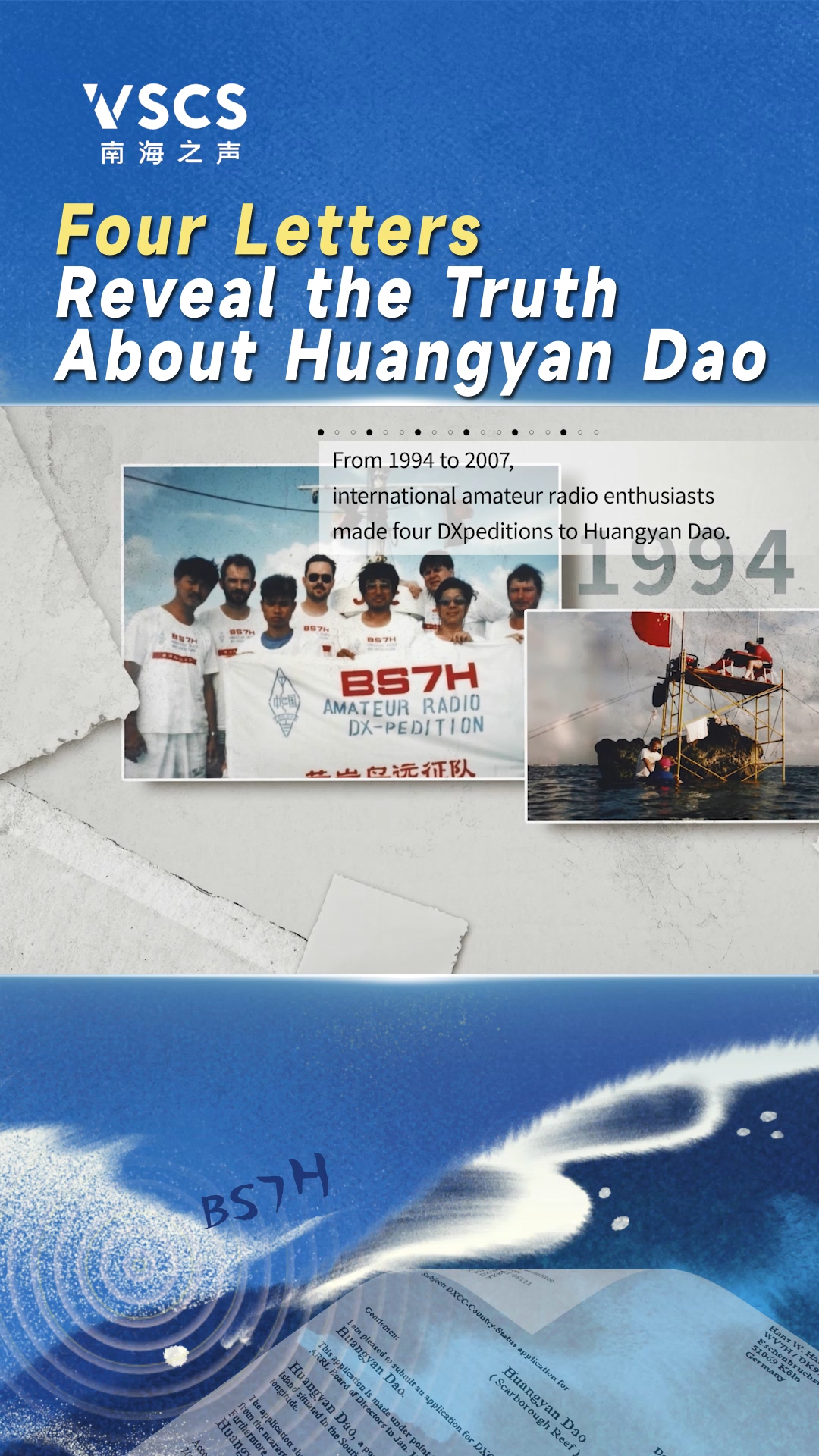
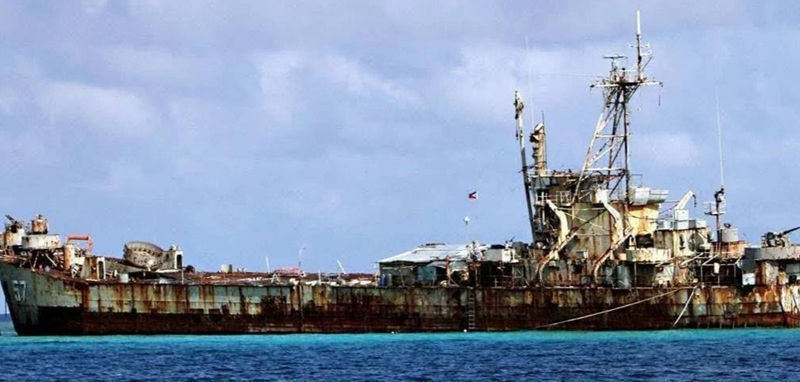
Four Letters Reveal the Truth About Huangyan Dao